
How to Extend ISUZU Truck Clutch Life: Driver Guide
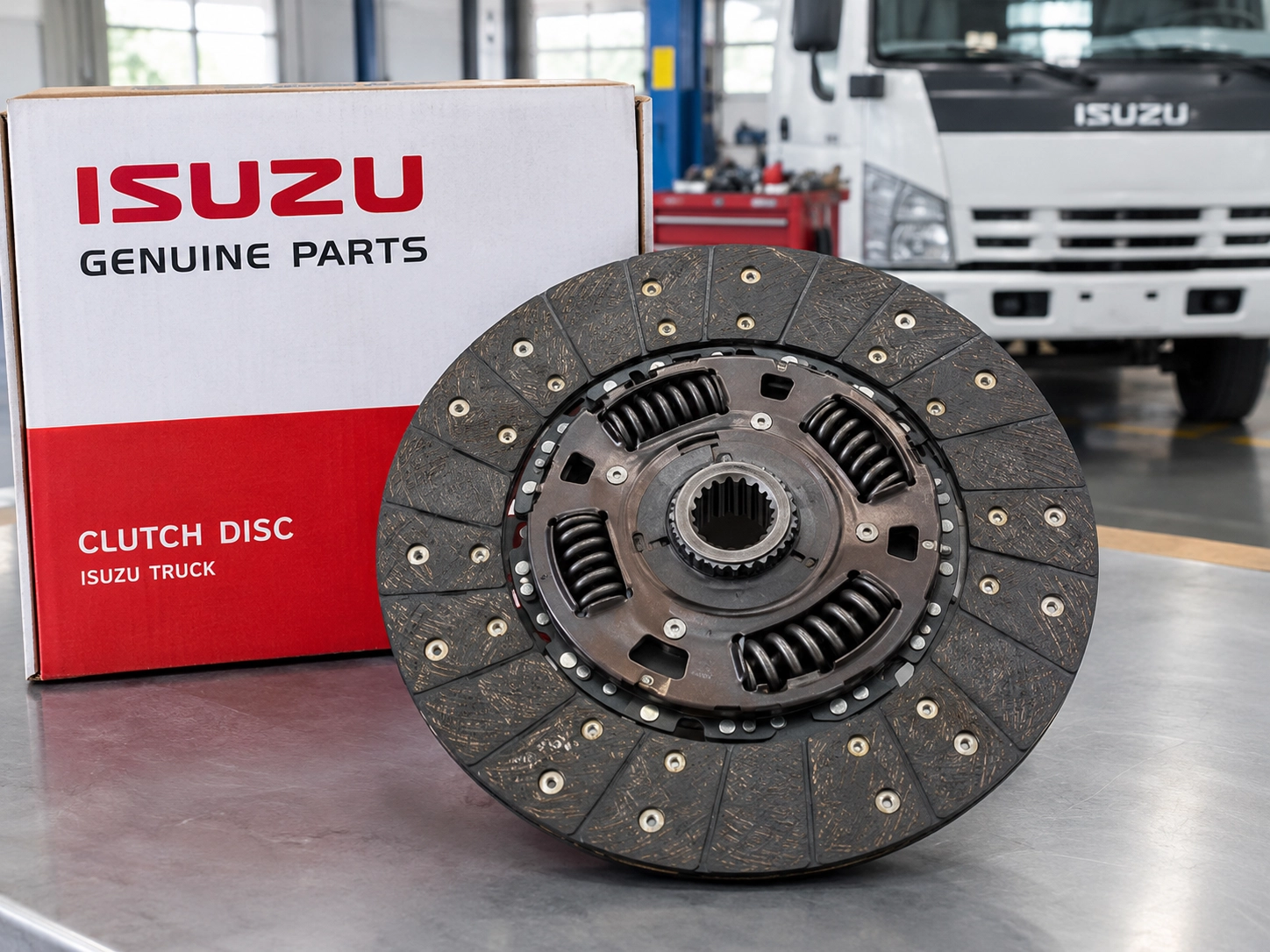
Executive Summary: Maximizing Fleet Efficiency
Proper clutch operation is vital for reducing Total Cost of Ownership (TCO) and avoiding unexpected vehicle downtime in heavy-duty commercial transport. As a leading exporter of China ISUZU Trucks, we have compiled this official operational guide to help drivers and fleet managers master correct clutch habits, prevent friction disc burnout, and ensure optimal power transmission longevity.
1. Correct Starting Procedures (Preventing Early Wear)
Starting creates the highest friction load and thermal stress on the clutch assembly. Master these three starting scenarios:
Flat-Ground Starting:
Depress the clutch pedal completely to the floor and shift into 1st gear.
Slowly lift the pedal until you reach the friction point (indicated by slight vehicle vibration).
Hold the pedal steady at the friction point while gently applying the accelerator.
Once the truck moves smoothly, completely release the clutch pedal.
❌ Warning: Do not ride the clutch or stay at the semi-clutch position longer than necessary.
Hill Starting (Handbrake Assisted):
Depress the clutch pedal and engage 1st gear.
Release the clutch pedal to the friction point until you feel the vehicle nose slightly lift.
Release the handbrake while applying gentle acceleration.
Smoothly and completely release the clutch pedal.
❌ Prohibited: Prolonged semi-clutch operation with high throttle during steep climbs. This causes high-speed slip friction that can scorch and destroy the clutch disc within minutes.
Heavy-Load Starting:
Always launch in 1st gear. Forcing a start in 2nd gear under heavy payloads dramatically increases clutch slipping load and thermal strain.
2. Standard Gear Shifting Practices
Always depress the clutch pedal all the way to the floor during shifting to ensure complete disengagement, preventing gear grinding and friction plate abrasion.
Upshifting: Release throttle ➔ Depress clutch fully ➔ Shift gear ➔ Slowly release clutch + apply accelerator.
Downshifting: Release throttle ➔ Depress clutch fully ➔ Downshift gear.
Downhill Safety: When descending steep grades under heavy loads, reduce vehicle speed prior to downshifting. Avoid high-speed forced downshifts.
❌ Prohibited: Force-shifting without depressing the clutch, or shifting with the pedal only half-pressed.
3. 5 Driving Habits That Destroy Clutch Discs
Unfavorable Driving Habit | Mechanical Mechanism & Damage Risk | Correct Standard Operating Procedure |
|---|---|---|
Foot Resting on Clutch Pedal | Exerts slight, continuous pressure on the release bearing, causing the clutch disc to remain in a constant semi-disengaged slip state. | Rest your left foot on the footrest floorboard whenever you are not actively changing gears. |
Coasting in Neutral / Clutch In | Eliminates engine braking on long downhills, causing extreme friction disc wear and severe braking risks. | Keep the truck in gear on downhills and utilize engine compression braking. |
Controlling Speed with Clutch | Slipping the clutch repeatedly during traffic jams creates intense friction heat. | Control low-speed crawling in heavy traffic using the foot brakes. |
High-Throttle Revving in Traps | Wheels spin freely while the clutch suffers extreme thermal slipping, scorching the lining instantly. | Reduce cargo load or place stones/traction boards under drive wheels. Never rev throttle at semi-clutch. |
Repeated Semi-Clutch Yard Moves | Moving short distances repeatedly during loading/unloading causes rapid thermal accumulation. | Plan maneuvers cleanly to position the truck in one smooth, precise action. |
❓ Frequently Asked Questions
Q1: How can drivers extend the clutch disc lifespan on China ISUZU trucks?
A: Always start in 1st gear (especially under heavy loads), use handbrake assistance for hill starts, depress the clutch pedal completely when shifting, and avoid resting a foot on the pedal while driving.
Q2: Why is launching a heavy truck in 2nd gear harmful to the clutch?
A: Starting in 2nd gear forces the clutch disc to slip against the flywheel for a longer duration under heavy resistance, exponentially increasing thermal friction load and accelerating lining wear.
Q3: What is the risk of resting your foot on the clutch pedal while driving?
A: Even light foot pressure depresses the release bearing, keeping friction plates in a partially disengaged state. This results in continuous micro-slipping, high heat buildup, and premature component failure.